Last Updated on 24/05/2025 by Admin
The Vital Role of Hearing Aid Trials in Improving Auditory Health
What Are Hearing Aid Trials and Their Significance for Users?
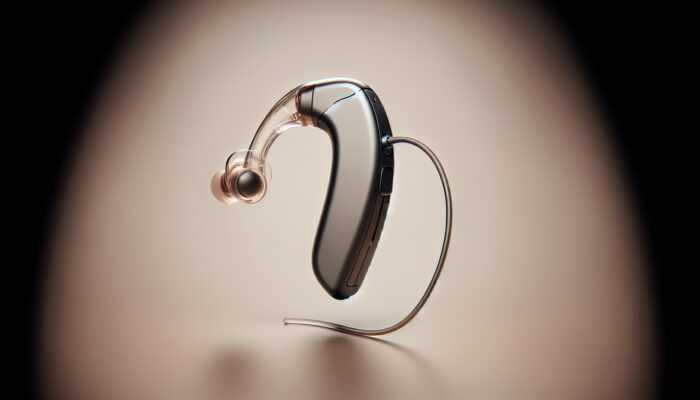
Hearing aid trials offer an essential opportunity for individuals facing <a href=”https://www.earwaxremoval.net/family-support-in-hearing-loss-a-comprehensive-guide/”>hearing loss</a> to explore and evaluate various devices prior to making a financial commitment. This critical phase allows users to determine which hearing aids effectively cater to their unique physiological needs and lifestyle choices. By testing different models in everyday situations, users gain firsthand experience of a hearing aid’s features, including sound clarity, comfort, and usability across diverse environments. This thorough examination ensures that the final selection is both informed and personalised.
The importance of hearing aid trials goes beyond mere device testing; it embodies a comprehensive assessment aimed at understanding distinct auditory requirements. Whether navigating the vibrant atmosphere of urban life or relishing the tranquillity of home, a well-structured trial enables users to evaluate how effectively each device performs in varying soundscapes. This vital testing phase fosters confidence in users’ choices, promoting a smoother integration of hearing aids into their everyday routines and significantly enhancing their overall auditory experiences.
Globally, numerous countries and clinics are embracing hearing aid trial practices, recognising that these devices represent a substantial financial investment that warrants careful consideration. Allowing users to explore different models enables them to make decisions based on personal experiences rather than relying solely on specifications or professional recommendations, ultimately resulting in greater satisfaction with their choices.
How Do Hearing Aid Trials Enhance User Experience?
Participating in hearing aid trials presents numerous advantages that can greatly enhance the user experience. A primary benefit is the chance to evaluate comfort levels. Given that hearing aids are worn throughout the day, their fit can profoundly affect users’ sound perception and overall satisfaction. Testing various devices allows users to identify which styles and designs deliver optimal comfort, thereby minimising the likelihood of returns due to discomfort or fitting challenges.
Sound quality is another crucial aspect for individuals with hearing impairments. During trial periods, users can engage in conversations, enjoy music, and assess different auditory settings to evaluate sound clarity and richness. This hands-on testing empowers users to select hearing aids that effectively address their unique auditory needs, ensuring they invest in devices that enhance their listening experiences instead of causing frustration.
These trials provide users with the opportunity to evaluate their overall satisfaction with the devices. This trial phase cultivates a sense of ownership and confidence, as users actively engage in the selection process. With an appropriate hearing aid, individuals can reclaim their auditory experiences, leading to improved social interactions, greater involvement in activities, and ultimately, a richer quality of life.
What Are the Essential Steps in Hearing Aid Trials?
Understanding the process of hearing aid trials is crucial for prospective users. Typically, the journey begins with a professional consultation where audiologists assess the user’s specific needs, preferences, and lifestyle factors. After this evaluation, users are provided with hearing aids that align with their requirements, often for a specified trial period, enabling thorough assessment and adjustments.
During the trial, users are encouraged to wear the hearing aids in various settings, including social gatherings, quiet reading sessions, or outdoor activities. Testing the devices in diverse environments is essential, as it allows users to evaluate performance in real-world conditions, where factors such as background noise and distance significantly impact sound quality and clarity.
User feedback is pivotal in the trial experience. Users are often invited to share their observations, covering aspects from sound clarity to comfort levels. Audiologists utilise this feedback to make necessary adjustments, optimising the hearing aids for the user’s individual needs. This collaborative approach not only enhances user satisfaction but also strengthens the relationship between audiologists and users, leading to improved outcomes in hearing care.
Optimising User Experience Through Tailored Hearing Aid Trials
In What Ways Can Hearing Aids Be Personalised to Accommodate Individual Needs?
One of the most significant advantages of engaging in hearing aid trials is the capacity to customise devices according to personal preferences. Each individual’s experience with hearing loss is unique, influenced by factors such as age, environmental exposure, and personal tastes. Hearing aid trials empower users to collaborate closely with audiologists to adjust their devices based on specific auditory needs, ensuring a tailored approach to hearing health.
Customisation can involve fine-tuning settings for various environments—whether enhancing speech recognition in crowded places or minimising background noise during quieter activities. Users can request modifications based on their experiences, transforming the process of finding the ideal hearing aid into a bespoke experience. For instance, if a user struggles to hear certain frequencies, adjustments can be made to amplify those sounds without compromising overall sound quality, significantly enhancing the user’s experience.
This individualised approach not only improves immediate comfort but also fosters greater long-term satisfaction. When users feel empowered and confident with a device that caters to their unique hearing profiles, they are more likely to integrate it seamlessly into their lives, thereby enhancing their overall auditory experiences and quality of life.
How Is Performance Assessed in Real-Life Scenarios?
Real-world evaluation of hearing aids during trial periods is a fundamental aspect that should not be overlooked. Users gain the opportunity to assess how well their devices perform in authentic situations, which can differ significantly from one environment to another. For example, while a hearing aid may excel in a quiet room, it might struggle in a lively café filled with chatter and background noise.
By using the devices in everyday scenarios, users can identify both strengths and weaknesses in performance. They can observe how effectively the hearing aids facilitate conversations, enhance music enjoyment, or alert them to alarms and notifications. This level of practical evaluation empowers users to discern how technology can genuinely improve their daily interactions, making the trial period invaluable for informed decision-making regarding their hearing solutions.
Real-world testing boosts user confidence as they learn to navigate various auditory landscapes. They can experiment with settings and adjustments, becoming adept at managing their hearing aids to suit different situations. This hands-on experience is crucial—users leave the trial not only with a device but also with the skills and knowledge necessary to utilise it effectively, ensuring they are well-equipped to thrive in diverse auditory environments.
Why Is User Feedback and Adjustment Essential During Trials?
Feedback serves as the cornerstone of the hearing aid trial process, acting as a vital communication channel between users and audiologists. As users interact with their hearing aids, they gather insights that inform necessary adjustments. Open discussions about their experiences can highlight various issues, from discomfort to sound quality concerns, providing audiologists with a clear understanding of what changes are needed.
This iterative process is crucial, as hearing aids are not a one-size-fits-all solution. Continuous feedback allows audiologists to implement precise adjustments, tailoring the devices to meet user expectations. This process may involve fine-tuning amplification settings, modifying frequency responses, or even exploring different styles and models to discover the best fit.
The trial period encourages users to take an active role in their auditory health. By articulating their needs and preferences, they transition from being passive recipients of technology to active participants in the decision-making process. This empowerment significantly enhances the likelihood of satisfaction with their final choice, leading to a more fulfilling auditory experience and improved overall outcomes.
What Support Services Are Accessible During Hearing Aid Trials?
The support offered during the trial period is crucial in ensuring that users feel comfortable and confident with their hearing aids. Audiologists and associated support staff provide personalised services that assist users in navigating various challenges, from technical issues to the adjustment phase of using new devices.
Dedicated support acts as a safety net for users, alleviating concerns and addressing common questions that arise during trials. Whether a user feels overwhelmed by the device’s features or is struggling to adapt to new sounds, professional guidance can significantly enhance their experience. This tailored support not only builds trust but also creates a more fulfilling journey for users as they become comfortable with managing their auditory health.
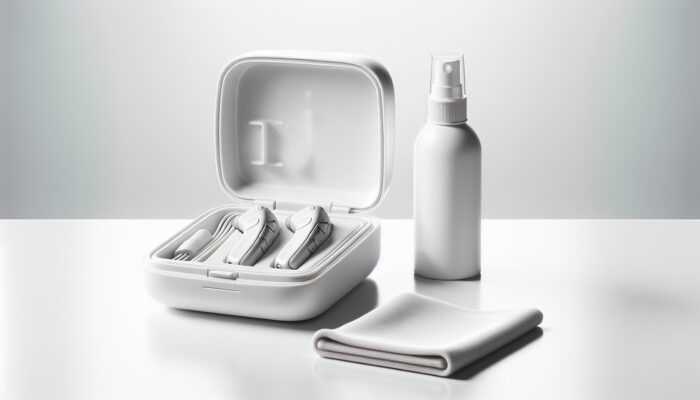
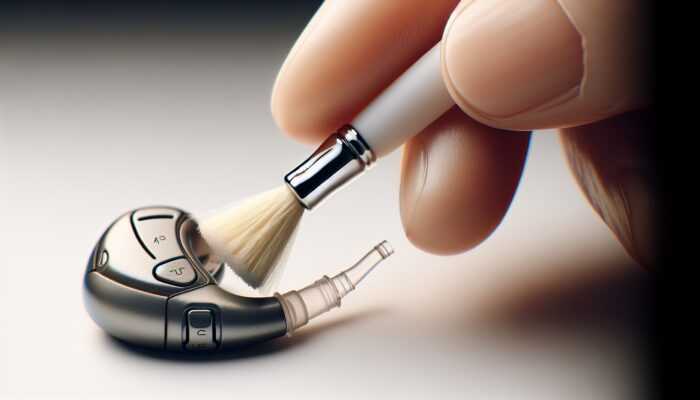
This personalised service can educate users on the importance of regular maintenance and care for their hearing aids. Audiologists can provide essential tips for cleaning, storing, and troubleshooting devices, ensuring that users maintain optimal functionality and longevity. This proactive approach to support boosts user confidence, allowing them to navigate their auditory journeys with assurance.
How Do Hearing Aid Trials Promote Ongoing Improvement?
The concept of continuous improvement during hearing aid trials highlights the evolving nature of auditory technology. As hearing aids advance, users benefit from ongoing trials that expose them to the latest developments and enhancements in hearing solutions. This is especially relevant in a rapidly changing technological landscape, where innovations continually optimise user experiences.
Trial periods create unique opportunities for users to experience these advancements firsthand. For instance, as new features become available—such as enhanced noise-cancellation capabilities or seamless integration with smart devices—users can evaluate them in real-world situations. This exposure enriches their auditory experience and ensures they remain informed about the latest advancements in hearing technologies.
Ongoing trials allow audiologists to collect valuable data and feedback, which can inform future product development. The insights gained from users assist manufacturers in refining their offerings, creating devices that align more closely with user needs. This cycle of feedback and improvement fosters a collaborative ecosystem where users, professionals, and manufacturers work together to continually enhance hearing solutions.
Discovering Innovative Developments in Hearing Aids
What Are the Latest Technological Innovations in Hearing Aids?
The field of hearing aids is constantly evolving, with technological advancements reshaping the landscape. Hearing aid trials serve as an excellent gateway for users to access the latest innovations, enabling them to experience state-of-the-art features designed to enhance sound quality and user comfort.
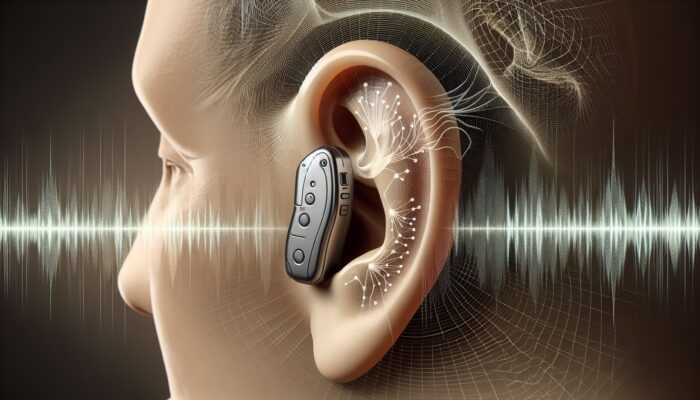
For instance, many contemporary hearing aids employ artificial intelligence that adapts to the user’s environment, automatically adjusting settings for optimal sound clarity. During a trial, users can observe how these intelligent features respond in various scenarios, significantly enhancing their overall auditory experiences. This integration of advanced technology ensures that devices are not only functional but also intuitive, catering to real-time auditory needs.
Innovations such as rechargeable batteries and Bluetooth connectivity represent significant advancements in hearing aid design. Users can explore the convenience of wireless connectivity, enabling them to stream audio directly from their smartphones or other devices. This added functionality enriches the user experience, making it easier for individuals to stay connected with their surroundings without compromising sound quality.
By examining these latest technologies during trials, users are empowered to make informed decisions about their hearing aids. By experiencing the full range of capabilities available, they can select devices that best suit their lifestyles, ensuring they are well-prepared to navigate their auditory environments effectively.
How Can Users Compare Distinct Hearing Aid Models for Informed Choices?
One of the most significant advantages of hearing aid trials is the opportunity to compare different models directly. Users can assess multiple devices side by side, evaluating critical factors such as sound quality, comfort, and available features. This comparative analysis is essential for making educated decisions in a marketplace filled with numerous options.
As users test various models, they can identify which designs best suit their unique auditory profiles. For instance, some may prioritise discreetness and opt for smaller in-canal models, while others may prefer behind-the-ear styles that offer additional power and features. A trial period allows individuals to experience each option firsthand, determining which aligns with their aesthetic preferences and auditory needs.
Comparing models enables users to evaluate emerging technologies and their functionalities. For example, one model may excel in noise cancellation, while another may provide superior connectivity with smart devices. By weighing the advantages and disadvantages of each option, users can make choices that balance technology, comfort, and individual preferences, ultimately leading to greater satisfaction.
This comparative aspect of trials not only supports the decision-making process but also fosters a sense of empowerment. Users emerge from the experience feeling informed, confident, and ready to embrace their new auditory solutions, significantly enhancing their overall quality of life.
How Can Hearing Aids Be Designed for Future Adaptability?
Investing in hearing aids is a substantial decision, and ensuring that these solutions are future-proof is an important consideration. Trials assist users in selecting devices that can adapt to future technological advancements. The rapid pace of innovation in the hearing aid market means that users seek assurance that their investment will continue to meet their needs as technology evolves.
During trial periods, users can explore features that emphasise longevity and adaptability, such as software updates and compatibility with emerging technologies. For instance, hearing aids with Bluetooth capabilities can seamlessly connect to new devices, ensuring ongoing access to the latest audio experiences and enhancements in hearing technology.
Trials can help users identify models designed with upgradability in mind. Many manufacturers offer devices that can be customised or enhanced over time, allowing users to evolve their hearing solutions alongside advancements in the field. This foresight ensures that individuals will not face the disappointment of obsolescence shortly after their purchase.
Ultimately, the capability to future-proof hearing solutions fosters peace of mind. Users can invest in devices that not only fulfil their current needs but also accommodate their evolving auditory landscape, ensuring continued satisfaction and effective hearing support over time.
What Are the Advantages of Integrating Hearing Aids with Smart Devices?
The integration of hearing aids with smart devices represents an exciting frontier in auditory technology. Trials provide users with the opportunity to explore how these innovative features can enhance their everyday experiences. By testing hearing aids that seamlessly connect with smartphones, tablets, and other smart devices, users can enjoy a more connected and enriched lifestyle.
For example, many modern hearing aids enable users to stream music, phone calls, and other audio directly from their devices. During a trial, users can assess how well these features perform in real-world scenarios, evaluating sound quality and ease of use. This connectivity not only enhances the auditory experience but also encourages active participation in social situations, allowing users to engage fully without missing critical auditory information.
Smart device integration often allows for remote adjustments and personalised settings. Audiologists can modify hearing aid configurations remotely based on user feedback, ensuring optimal performance without the need for an office visit. This convenience is particularly beneficial for individuals facing mobility challenges or those residing in remote areas.
The chance to explore these integrations during trials empowers users to witness firsthand how technology can enrich their daily lives. This exploration facilitates a smoother transition to hearing aids, as users acclimatise to the advanced functionalities that significantly enhance their auditory experiences.
Financial Aspects of Hearing Aid Trials
How Can Users Assess the Cost-Effectiveness of Hearing Aid Trials?
The financial implications of purchasing hearing aids can be overwhelming, making the cost-effectiveness of trials a crucial factor to consider. By allowing users to test devices before making a commitment, trials help prevent costly mistakes and ensure that individuals select the appropriate hearing aid from the outset.
Understanding personal preferences and auditory requirements is essential for making informed choices. When users engage in trials, they significantly reduce the risk of investing in a device that does not meet their expectations or necessitates re-purchasing. This proactive approach can lead to substantial long-term savings, as users avoid unnecessary costs associated with returns or replacements.
Trials enable users to evaluate the value of different models. This assessment empowers individuals to weigh the benefits of various features against their price points, allowing them to make informed decisions that align with their budgets. They can determine whether opting for a premium model is justified or if a more economical alternative would suffice for their hearing needs.
Trial periods frequently come with flexible financing options that can further ease financial pressures. Audiologists or institutions may offer payment plans, making it more accessible for users to acquire hearing aids without incurring substantial upfront costs. This accessibility fosters a sense of empowerment, ensuring that users can make choices based on their needs rather than their financial limitations.
How Can Users Navigate Insurance Coverage for Hearing Aid Trials?
Understanding insurance coverage for hearing aids can be complex, but exploring options related to trial periods is essential. Some insurance plans include provisions that cover trial periods, making hearing aids more accessible to users. This coverage can significantly alleviate the financial burden associated with acquiring hearing solutions, empowering individuals to engage in trials without the fear of incurring exorbitant costs.
When users have insurance that supports trial periods, they can experiment with multiple devices with reduced financial risk. This support makes it easier to prioritise personal auditory health without worrying about the potential costs of multiple purchases. It fosters a more positive experience, allowing users to concentrate on finding the right solution for their needs.
Understanding insurance coverage empowers users to ask informed questions during consultations with audiologists. They can inquire about specific plans, available coverage options, and any potential out-of-pocket expenses tied to trials. This proactive approach ensures that users navigate their options effectively, maximising the benefits of their insurance plans while securing the support they need.
By leveraging insurance benefits and exploring trial opportunities, individuals can enhance their accessibility to hearing aids, ensuring they receive the necessary support without facing overwhelming financial strain.
What Are the Long-Term Financial Benefits of Making Informed Choices?
Selecting the right hearing aid through a trial can lead to significant long-term financial savings. By engaging in trials, users are less likely to make impulsive decisions that could result in repeated purchases or upgrades. By carefully evaluating their options and choosing devices that meet their auditory needs, individuals can avoid the financial pitfalls associated with ineffective choices.
The right hearing aid contributes to improved auditory health, positively impacting users’ quality of life. With enhanced hearing capabilities, individuals are more likely to remain active, socially engaged, and participate in activities they enjoy. This engagement can lead to reduced healthcare costs related to isolation, depression, and other health issues linked to untreated hearing loss.
Long-term savings can also be realised through reduced maintenance and replacement expenses. Users who select durable, high-quality devices during their trials are less likely to incur additional costs for repairs or replacements. By investing in reliable hearing aids, they ensure a longer lifespan for their devices, maximising their initial investment and contributing to greater financial stability over time.
Ultimately, the economic advantages of hearing aid trials extend beyond immediate costs. By making informed choices, users can secure long-term savings while simultaneously enhancing their quality of life and auditory experiences.
How Can Users Explore Financial Assistance Programmes for Hearing Aids?
Financial assistance programmes play a crucial role in improving access to hearing aids for eligible users. Numerous organisations and nonprofits offer subsidies or financial aid to individuals who may struggle with the upfront costs associated with acquiring hearing solutions. These programmes help bridge the gap for those who might otherwise forgo necessary auditory support due to financial constraints.
Users can investigate various financial assistance options available in their regions, which may include local foundations, government programmes, or charitable organisations dedicated to hearing health. Many communities worldwide are increasingly recognising the importance of auditory health, leading to the establishment of initiatives aimed at providing support for individuals in need.
Trial periods can complement these financial assistance programmes, allowing users to engage with hearing aids without immediate financial commitment. When assistance is provided alongside the opportunity to test devices, individuals can make informed decisions about which models to pursue further, ensuring they select options that not only meet their needs but also align with their financial situations.
This holistic approach to funding ensures that more individuals can access essential hearing aids, thereby enhancing their auditory health and overall quality of life. Financial programmes combined with trial opportunities empower users to navigate their choices effectively, providing pathways for support that can lead to more equitable access to hearing health resources.
Examining the Psychological and Social Advantages of Hearing Aid Trials
How Do Hearing Aid Trials Enhance User Confidence?
Engaging in hearing aid trials can significantly boost users’ confidence in their auditory abilities. For many individuals, the initial step toward seeking auditory support can feel daunting, often accompanied by feelings of vulnerability and uncertainty. Participating in a trial not only normalises the experience but also empowers users to take control of their auditory health and regain their confidence.
When users discover the right hearing aids, they frequently experience a transformative increase in self-esteem. The ability to engage in conversations without straining to hear or feeling isolated due to hearing loss can greatly enhance users’ self-assurance in social settings. This newfound confidence encourages individuals to actively partake in family gatherings, community events, and other social interactions without the fear of missing vital auditory cues or feeling excluded.
The experience of wearing hearing aids during trials can help users acclimatise to the devices, reinforcing their confidence. As they learn to navigate various environments with their new aids, they develop a sense of mastery over their hearing challenges. This empowerment leads to a more positive self-image and a willingness to engage with others, fostering connections that enhance their overall quality of life.
Ultimately, the confidence gained from successful trials can have a ripple effect, influencing various aspects of users’ lives, including personal relationships, professional pursuits, and leisure activities. This psychological impact highlights the transformative potential of hearing aids, reinforcing their importance in enhancing user experiences and overall wellbeing.
How Are Hearing Aid Trials Challenging the Stigma Surrounding Hearing Loss?
Hearing loss often carries a stigma that discourages individuals from seeking the support they need. Hearing aid trials play a pivotal role in diminishing this stigma by creating an environment where wearing hearing aids is normalised and accepted. By participating in trials, users can become more comfortable with their devices, fostering a sense of pride in addressing their auditory health.
The visibility of hearing aids during trials can help challenge misconceptions and societal attitudes regarding hearing loss. As more individuals openly embrace wearing hearing aids, it becomes easier for others to recognise that seeking support is a proactive step toward improving their quality of life. This shift in perception can significantly reduce the stigma associated with hearing aids, cultivating a more inclusive environment for those with auditory impairments.
The encouragement and support from audiologists and professionals during the trial period can reinforce the message that hearing aids are tools for empowerment rather than symbols of weakness. Users can receive validation and encouragement as they navigate their auditory health journeys, fostering a positive association with their devices. This supportive atmosphere encourages users to embrace their hearing aids and share their experiences with others, promoting open discussions about hearing loss and its implications.
Reducing the stigma surrounding hearing aids benefits not only individuals but also contributes to greater awareness and understanding in society. As more people become educated about hearing loss and the importance of auditory health, the narrative surrounding hearing aids continues to evolve, fostering acceptance and support for those in need of assistance.
How Do Hearing Aids Improve Overall Quality of Life?
The primary aim of hearing aids is to enhance users’ overall quality of life, and trials are vital in ensuring that individuals find the right solutions for their auditory needs. When users engage in trials, they are empowered to select devices that genuinely align with their requirements, resulting in improved listening experiences and deeper connections with their surroundings.
Effective hearing aids can significantly enrich social interactions, allowing users to engage fully in conversations and maintain meaningful relationships with family and friends. Improved sound quality leads to more fulfilling interactions, reducing feelings of isolation and loneliness that can accompany hearing loss. By choosing the right devices through trials, users can positively influence their emotional wellbeing and cultivate a more active lifestyle.
The psychological impacts of successfully using hearing aids extend beyond social interactions. Users frequently report heightened satisfaction in both personal and professional spheres, as they can participate more fully in various activities. Whether enjoying music, attending events, or engaging in hobbies, effective hearing aids can enrich overall experiences, leading to holistic improvements in users’ quality of life.
The long-term benefits of improved auditory health are significant. Individuals who navigate their hearing challenges successfully through trials are likely to experience increased confidence, diminished social stigma, and better overall health outcomes. This interconnected web of benefits highlights the profound impact that hearing aids can have on users’ lives, emphasising the critical significance of engaging in trials to discover the most suitable solutions.
What Role Do Audiologists Play in Hearing Aid Trials?
The Crucial Contribution of Audiologists to the Trial Process
Audiologists are instrumental in guiding users through the hearing aid trial process, ensuring optimal results and overall satisfaction. Their expertise is vital in assessing individual needs, interpreting hearing tests, and recommending suitable devices. This professional support is especially important for new users who are navigating the complexities of hearing aids for the first time.
During initial consultations, audiologists gather comprehensive information about users’ hearing profiles, preferences, and lifestyles. This detailed understanding enables them to tailor recommendations effectively. By presenting a range of options that align with user needs, audiologists help alleviate the overwhelming nature of the decision-making process and facilitate informed choices.
Audiologists possess extensive knowledge regarding the latest technological advancements in hearing aids. They can educate users about available features, benefits, and potential drawbacks of different models, empowering individuals to make well-informed decisions. This personalised guidance cultivates trust and confidence, making it easier for users to embrace their auditory health journeys.
Throughout the trial process, audiologists remain accessible for support, troubleshooting, and adjustments. Their ongoing involvement ensures that users feel empowered to provide feedback and address any concerns as they engage with their devices. This collaborative relationship enhances the likelihood of success in finding the most suitable hearing aids, ultimately leading to improved user satisfaction and outcomes.
Why Is Ongoing Support Essential During Hearing Aid Trials?
Continuous support during hearing aid trials is crucial for maximising the benefits of user experiences. Audiologists and support staff offer continual guidance and reassurance, ensuring that individuals feel equipped to navigate any challenges they encounter while using their devices. This support is particularly valuable, as users may go through an adjustment period while learning to adapt to their new hearing aids.
Regular follow-ups throughout the trial phase allow audiologists to gather feedback and implement necessary adjustments. Users can share their experiences, discussing comfort, sound quality, and functionality. This iterative process empowers audiologists to fine-tune settings based on individual preferences, ensuring that users find the optimal configuration for their hearing needs.
Ongoing support fosters a sense of community and connection among users. They are encouraged to ask questions, voice concerns, and celebrate successes. This open dialogue boosts confidence and reinforces the importance of proactive engagement in auditory health. Users who feel supported throughout their trial periods are more likely to embrace their hearing aids, promoting long-term satisfaction and successful outcomes.
Continual support encourages users to develop a deeper understanding of their hearing aids. As they learn to adjust settings, manage features, and troubleshoot issues, they become empowered to take charge of their auditory health. This proactive approach fosters a sense of ownership, ensuring that users feel confident in their ability to navigate their hearing experiences effectively.
What Does Post-Trial Support Involve for Lasting Success?
Post-trial assistance is a crucial component of the hearing aid experience, ensuring that users continue to receive optimal care after their trial periods conclude. Audiologists remain available to provide ongoing support, addressing any questions or concerns users may have regarding their devices. This continued relationship fosters a sense of trust and reassurance, reinforcing users’ commitment to their auditory health.
Following the trial, audiologists often conduct follow-up appointments to assess users’ experiences with their selected hearing aids. This feedback loop is vital for ensuring that devices continue to meet users’ evolving needs. If adjustments are required, audiologists can recommend fine-tuning settings or exploring alternative models that may offer enhanced performance.
Post-trial assistance can encompass educational resources that help users maximise the potential of their hearing aids. Audiologists can provide guidance on maintenance, cleaning, and troubleshooting, equipping users with the knowledge to care for their devices effectively. This support is critical for ensuring that hearing aids remain functional and deliver optimal performance over time.
Users can benefit from continuous access to audiologists for consultations and evaluations. This open line of communication promotes a proactive approach to auditory health, ensuring that users feel empowered to seek assistance whenever necessary. Post-trial support contributes to long-term user satisfaction and success, underscoring the importance of comprehensive care throughout the auditory health journey.
Why Is Accessing Expert Advice Crucial for Optimal Hearing Solutions?
Users seeking hearing aids should appreciate the significance of having access to expert advice throughout their journeys. Audiologists serve as invaluable resources, offering insights and guidance that can greatly enhance the hearing aid experience. Their expertise enables users to navigate the complexities of hearing loss and make informed decisions about their auditory health.
Consulting with audiologists is particularly important during the trial process, as they can address specific concerns and provide tailored recommendations. Users can inquire about device features, integration with technology, and optimal use in various environments. This level of access to expert advice empowers users to feel confident in their choices while enhancing their understanding of their hearing aids.
Ongoing communication with audiologists allows users to stay informed about technological advancements and innovations in the field. As new features and models emerge, audiologists can provide insights into how these developments may benefit users. This proactive approach ensures that individuals remain equipped with the latest information, fostering a sense of empowerment in their auditory health journeys.
In essence, access to expert advice is a cornerstone of the hearing aid experience. Users who engage with audiologists throughout their trials and beyond can maximise the benefits of their devices, leading to improved outcomes and a greater overall quality of life. This collaborative relationship between users and professionals highlights the importance of comprehensive care in navigating the complexities of hearing health.
Common Inquiries Regarding Hearing Aid Trials
What constitutes a hearing aid trial?
A hearing aid trial is an opportunity for users to test various hearing aids prior to making a purchase, ensuring they choose the most suitable option for their individual auditory needs.
How long do hearing aid trials generally last?
Hearing aid trials typically last from a few days to several weeks, depending on the provider and the specific needs of the user.
Can insurance cover hearing aid trials?
Some insurance plans do provide coverage for hearing aid trials, making it more accessible for users to explore their options without incurring significant out-of-pocket expenses.
What should I expect during a hearing aid trial?
During a trial, you will wear the hearing aids in various environments to assess comfort and sound quality, while receiving support and making adjustments as necessary.
Are different types of hearing aids available for trials?
Yes, various types of hearing aids, including in-the-ear and behind-the-ear models, are typically available for trial, enabling users to compare options based on their individual preferences.
Can I request modifications to the hearing aids during the trial?
Absolutely! Users are encouraged to provide feedback and request adjustments to optimise their hearing aids for comfort and performance throughout the trial period.
What if I find that I don’t like any of the hearing aids I try?
If none of the hearing aids meet your needs, audiologists can assist in exploring additional options or models that may be a better fit for you.
How can I determine which hearing aid is best suited for me?
The most suitable hearing aid for you will depend on your individual hearing profile, lifestyle, and preferences, all of which can be assessed during the trial process.
Is ongoing support available after the trial period ends?
Yes, audiologists typically offer ongoing support and follow-up consultations after the trial period to ensure your hearing aids continue to meet your specific needs.
Why are hearing aid trials considered important?
Hearing aid trials are crucial as they allow users to experience devices firsthand, ensuring they make informed decisions that enhance comfort and satisfaction with their chosen hearing aids.
Discover our journey on X!
The post Hearing Aid Trials: Your Essential Guide for Success appeared first on The Microsuction Ear Wax Removal Network.
Originally posted 2025-05-25 03:19:09.
The post Hearing Aid Trials: A Comprehensive Success Guide appeared first on Healthcare Marketing Service.